What is Mixdown
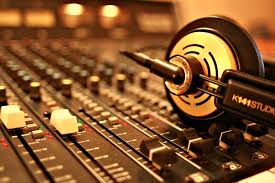
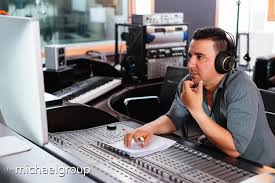
Mixdown is an essential part of any recording process. “The Mixdown” or “Mixdown stage” is the process that an audio engineer will go through to fine tune and finalize any recording session. The audio engineer will use a combination of a physical mixing console and a DAW (Digital Audio Workstation), or sometimes only a DAW depending on the source material, to achieve a final or master mix using the Mixdown process.
The Mixdown Process
Once all of the elements of your mix have been recorded (all of the instruments or vocals have been assigned separate tracks or grouped appropriately) the mixdown process can begin.
Setting up the console
The engineer will usually set all of the recording and playback faders to zero. It is often a good idea to label the elements relating to the faders on the console with a piece of masking tape just to make it easier to identify which track you are manipulating. It is also important to normalize all buttons and knobs on the console before you start to work.
Cleanup/Editing
This portion of the mixdown process involves carefully inspecting each recorded track individually and taking out any noise, gaps or unwanted sounds (this is important in live recording sessions). This time is also used for editing (rearranging sections, deleting any unwanted or unnecessary elements).
Panning
Panning is an important part of the mixdown as it used to assign the position of certain elements of audio in the mix. Each track is added to the stereo mix bus and then position to either left, right, center or in a more flexible position usually at the discretion of the engineer.
Highpass/ Lowpass Filtering
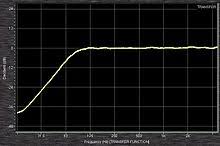
To avoid boomy or muddy buildup the engineer will create and adjust a highpass filter for each individual track. This allows the engineer to thin out the audio creating a cleaner crisper sound. Low pass filter can be used to achieve the opposite effect. Often filtering can be used to ensure that certain instruments can be heard well. For instance taking a lead guitar track and using a highpass filter to remove some of the lower frequencies from that track will allow the same frequencies in the bass track to be more noticeable
Compression
Compression is used to normalize or even out certain tracks, usually vocals but often used for drum tracks as well, this ensures that there is not too much fluctuation and keep’s the audio levels at a constant ensuring that all elements of the recording can be heard correctly.
Setting Balance
Adjusting the levels of each instrument to ensure an agreeable and clearly audible mix is both important and essential and could make or break the quality of any recording. Often the engineer will attempt to tune his ears to the track by listening to similar works. The engineer will periodically test the mix to ensure the quality of the balance
Setting EQ
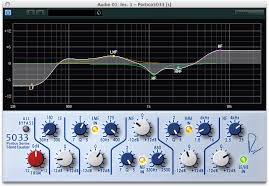
Equalization is important to ensure that there is a balanced tone throughout the entire recording. EQ helps ensure that all of the elements sound as they should e.g. bass is nice and deep but not too boomy and higher frequency elements like snare drums and hi hats are not to sharp and tinny.
Effects
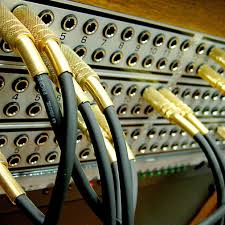
Effects can be added to elements of the mix either via plug-in for a DAW or by using the patch bay on a mixing desk to physically plug into a piece of hardware and then send the effect to the desired channel. Some of the more common effects used during mixing are reverberation and delay. For example reverb may be added to a vocal track to add a sense of room or space.
Final judgment
Before recording your final mix or master mix it is important to scrutinize every element of your mix. Listening to each instrument part individually and adding the final touches and adjustments, then listening to the mix as a whole a few times is important as the next step is the final step.
Final Master
Once all of the required steps are taken and the mix is complete to the satisfaction of the engineer then it’s time to record the final master. If using a DAW simply export the mix to your hard drive as a WAV. Otherwise the audio is recorded from the desk to a hard drive via specific recording software.

In Summary the mixdown and all of the processes and elements involved play a massive role in ensuring that the quality of any recording are produced and finished at the highest quality possible before being sent for mastering.
REFERENCES
KenTheriot(2012).HomeBrewAudio. Retrieved from https://www.homebrewaudio.com/what-does-it-mean-to-mix-music-down/
Bartlett, Bruce; Bartlett, Jenny (2009). Practical Recording Techniques (5th ed.). Oxford, United Kingdom: Focal Press.
Huber, D., & Runstein, R. (2013). Modern recording techniques (8th ed.) [8th ed.]. Hoboken: Taylor and Francis. (2013).
 Isaac Gresswell 1011634